

Receiving the keys to your new home is an exciting milestone. Whether you have purchased a Build-To-Order (BTO) flat, Executive Condominium (EC), private condominium, or landed property from a developer, your home may come with a Defects Liability Period (DLP).
The DLP gives homeowners an opportunity to notify the developer of eligible defects discovered after handover. Understanding how it works can help you address workmanship issues while the developer remains responsible for rectification under the terms of your purchase agreement.
What Is the Defects Liability Period (DLP)?
The Defects Liability Period (DLP) is a contractual period that starts when vacant possession of the property is handed over to the owner.
During this time, homeowners can notify the developer of defects that fall within the developer’s obligations under the sale and purchase agreement. If the reported items are covered, the developer will generally arrange for inspections and rectification.
The DLP is not a maintenance warranty for normal wear and tear, accidental damage, or changes made by the homeowner after handover.
How Long Is the DLP?
The duration depends on the type of property and the terms of the purchase agreement.
For many new residential developments in Singapore, the DLP is commonly 12 months from the date vacant possession is delivered, but homeowners should always check their own sale and purchase agreement to confirm the exact duration and conditions.
What Does the DLP Usually Cover?
Typical examples of workmanship or construction-related issues may include:
- Hollow wall or floor tiles
- Wall and ceiling cracks
- Uneven flooring
- Poor paint finishes
- Water seepage related to construction
- Door alignment issues
- Window operation problems
- Loose fittings installed by the developer
- Missing sealant or poor silicone application
- Cabinet installation defects (where provided by the developer)
Whether a specific issue is covered depends on the contract and the developer’s assessment.
What Is Usually Not Covered?
The DLP generally does not cover:
- Damage caused during renovation
- Wear and tear after moving in
- Furniture or appliances supplied by owners
- Defects resulting from poor maintenance
- Alterations made after key collection
- Damage caused by third parties
Always refer to your purchase agreement for the exact exclusions.
Why Should You Inspect Your Home Early?
Many defects are easier to identify before furniture is installed and before renovation work begins.
An empty property allows better access to:
- Floors
- Walls
- Windows
- Doors
- Bathrooms
- Kitchen fittings
- Electrical outlets
- Built-in cabinets
Reporting issues early gives more time for discussions and rectification before the DLP expires.
How Can a Professional Home Inspector Help?
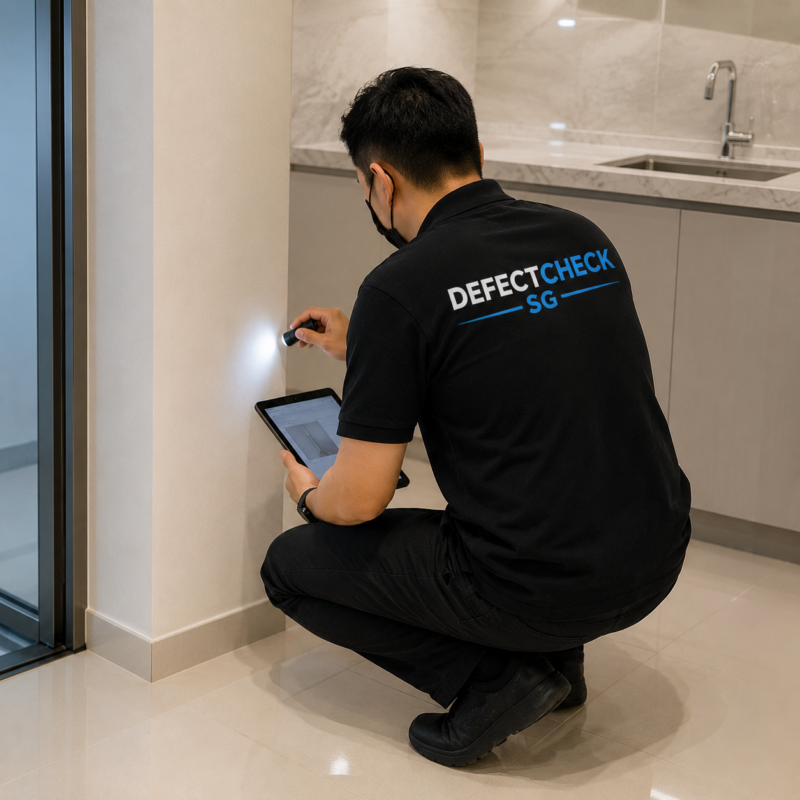
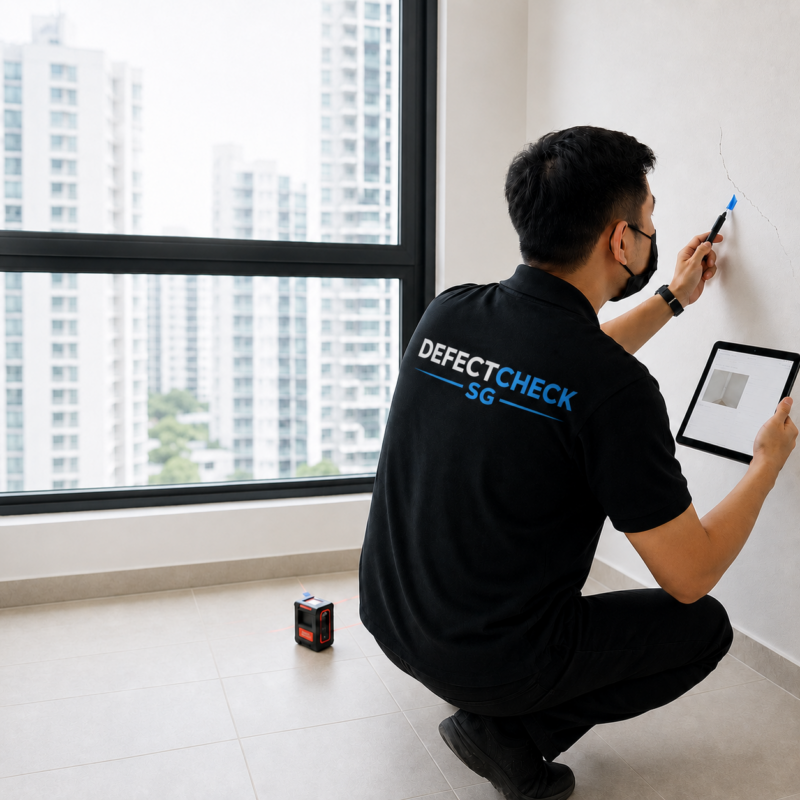
A professional Home Inspector Singapore provides an independent visual inspection of the property’s accessible areas.
A comprehensive inspection may include:
- Flooring condition
- Wall finishes
- Ceiling condition
- Doors and windows
- Plumbing fixtures
- Electrical points
- Bathroom fittings
- Kitchen cabinetry
- Silicone finishing
- Visible workmanship issues
The findings are typically documented in a detailed report with photographs and descriptions, making it easier for homeowners to organise their defect list.
What Should You Do During the DLP?
A practical approach is:
- Collect your keys.
- Conduct or arrange a detailed inspection as early as possible.
- Document visible defects with photographs.
- Submit the defect list according to the developer’s process.
- Allow the developer time to inspect and rectify reported items.
- Recheck the completed rectification works before accepting them.
Keeping records of correspondence and inspection reports can also be useful throughout the process.
Common Defects Found During DLP Inspections
Professional inspections commonly identify issues such as:
- Hollow tiles
- Uneven tile joints
- Wall cracks
- Ceiling cracks
- Window gaps
- Water leakage
- Paint blemishes
- Loose sockets
- Scratched glass
- Cabinet misalignment
- Poor silicone finishing
- Door rubbing or poor alignment
Not every home will have these issues, but they are among the more frequently observed workmanship concerns.
Frequently Asked Questions
Should I wait until I move in before checking for defects?
It’s generally better to inspect the property before moving in, as furniture and renovation works can make certain areas harder to access.
Can I submit defects more than once?
Developers usually have a process for reporting defects during the DLP, but procedures differ. Check your developer’s guidelines for the applicable process.
Does a home inspection guarantee every defect will be found?
No. A home inspection is a visual, non-invasive assessment of accessible areas at the time of inspection. Concealed defects or issues that develop later may not be detectable.
Conclusion
The Defects Liability Period (DLP) is an important opportunity for homeowners to identify and report eligible workmanship issues after taking possession of a new property. Understanding what the DLP covers, inspecting your home early, and keeping proper records can help you manage the rectification process more effectively.
If you want a systematic assessment of your property’s visible condition, engaging a professional home inspection service before renovation or move-in can provide valuable documentation and greater confidence throughout the DLP.